Why Mat + Reformer Make a Stronger Start to Your Pilates Teaching Career
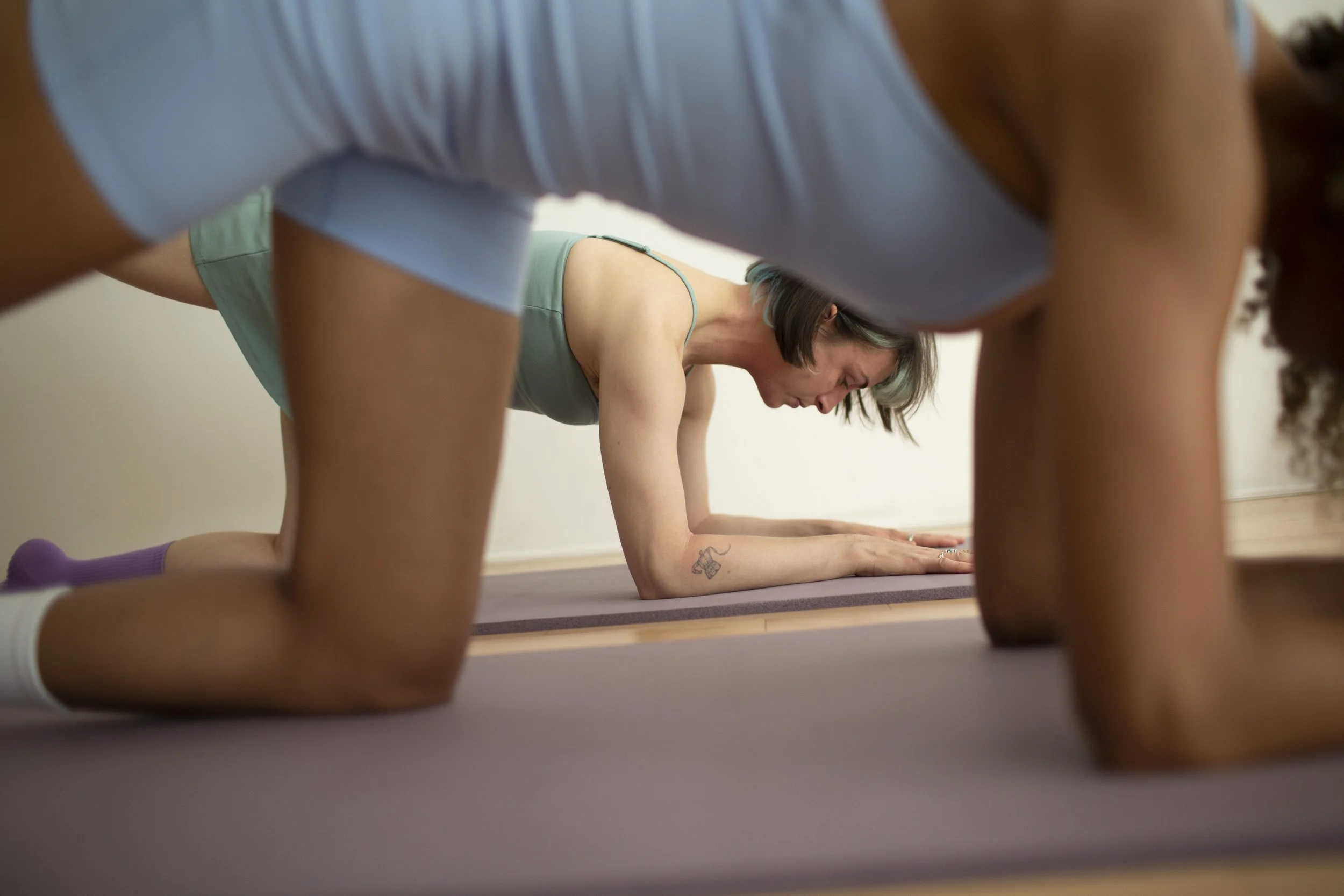
Mat first, Reformer next, and plenty of possibilities from there. Here’s how to build a Pilates career that can grow with you.
By Kimmy Smith
If you’ve started looking into becoming a Pilates teacher, there’s a good chance you fall into one of two camps. Maybe you already love Reformer. It’s the class you take every week, the kind of studio you can picture yourself working in and possibly the reason you started thinking about becoming a Pilates teacher in the first place. So naturally, you’re wondering: Do I really need to learn Mat if I just want to teach Reformer?
Or maybe you’re already sold on both. You love Mat and Reformer, you know you’d ultimately like to teach both, but taking on another certification while you’re still completing Mat sounds like...a lot.
We hear both versions all the time, and the good news is that neither requires you to change the career you’re imagining. For the Reformer lovers, there’s a very good reason to start with Mat. And if you already know you want both, there’s a very good reason to trust that instinct while giving yourself permission to take your time getting there.
Alongside co-founding SPRING Movement, I’m the founder and owner of East River Pilates in Brooklyn, New York, which I’ve been building and operating for more than 12 years. Our team has reviewed countless instructor applications, watched dozens of teaching auditions, hired brand-new instructors and watched many of them grow into experienced senior teachers. We’ve learned a lot about what separates someone who knows a Reformer repertoire from someone who really knows how to teach Pilates.
And from sitting on the hiring side of the table for all these years, I can tell you this: Reformer alone isn’t enough.
At East River Pilates, we would never hire a Pilates instructor who didn’t already have the foundational education that comes through Mat, including anatomy, biomechanics, movement principles and the fundamental skills of teaching another person. The equipment might change, but good teaching doesn’t.
Mat Is Where You Learn to Teach
Mat sometimes gets treated as Reformer’s less exciting little sibling, but it shouldn’t. When there are no springs, straps or moving carriage giving your client feedback, you have to understand what you’re looking at. You need to communicate movement clearly, structure a class, know when to progress or adapt an exercise and, importantly, learn how to really observe the person in front of you.
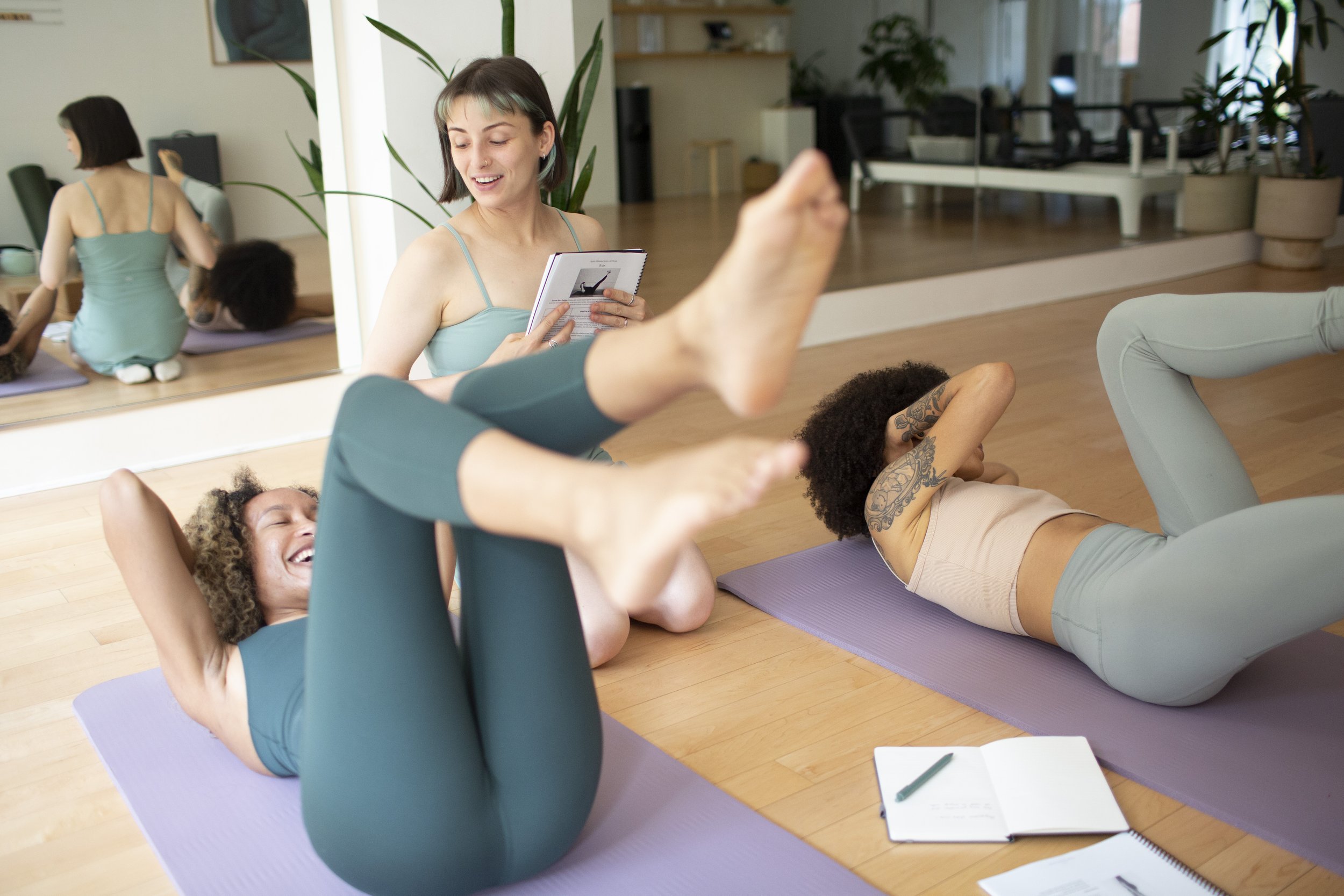
This is where your teacher brain starts developing. You’re learning anatomy and biomechanics alongside programming, sequencing, cueing, modifications and class management, while beginning the slightly terrifying and eventually very fun process of standing in front of actual humans and figuring out how to get the Pilates knowledge inside your brain into their bodies.
You aren’t supposed to emerge from your first certification knowing everything. You’re building a foundation strong enough to keep learning, and from someone who has watched a lot of instructor auditions, you can tell when that foundation is there. Strong teachers don’t simply know the next exercise in their sequence. They can look up, observe what is happening in the room, and make a decision about what the people in front of them actually need.
Reformer Builds on Everything You’ve Already Learned
When you move into Reformer training after Mat, you’re not starting from zero. There’s plenty that’s new, of course: springs, straps, carriage settings, footbars, transitions and an entire repertoire to learn. But underneath all of that, you’re still teaching movement.
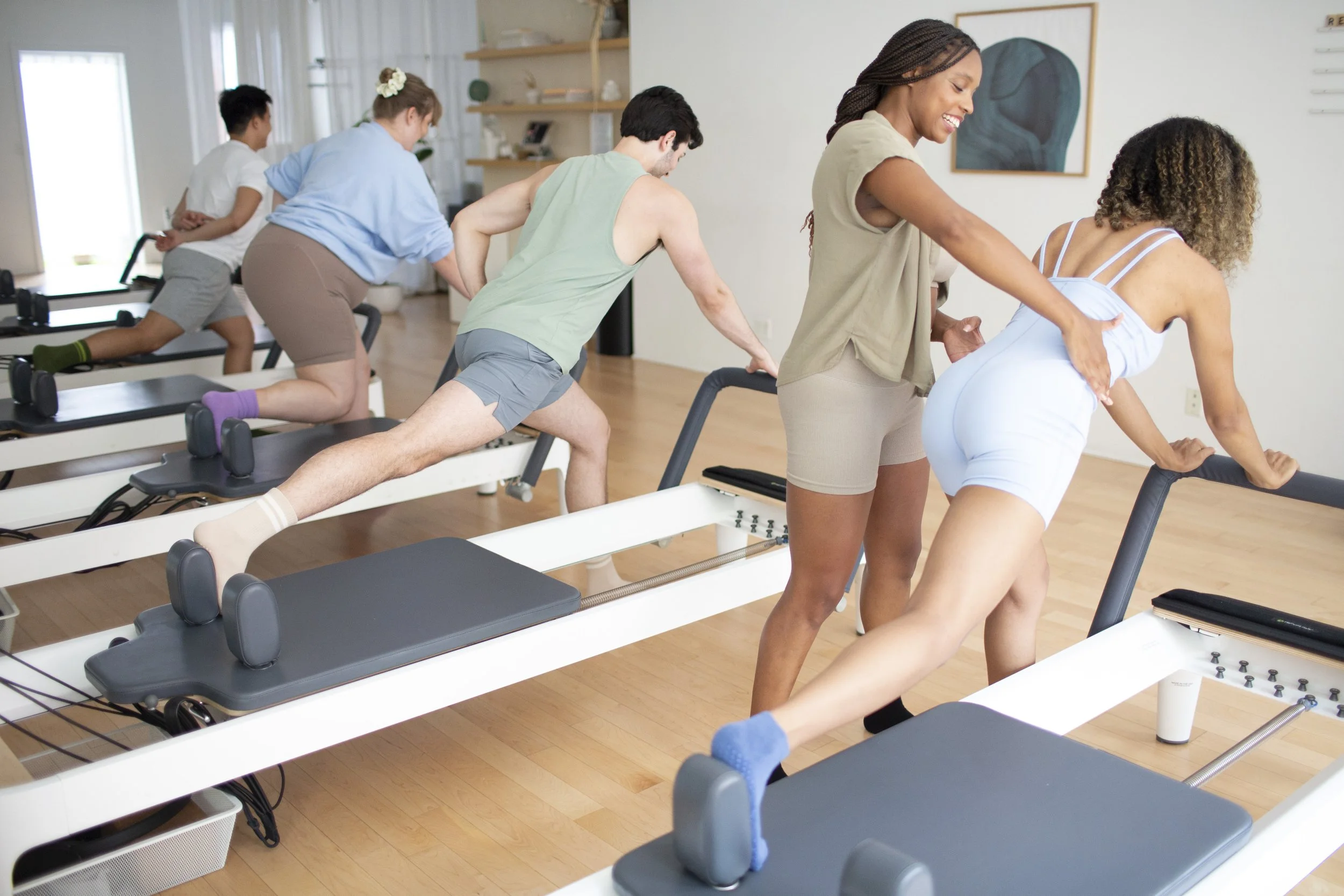
You already understand how to look at a body, build a class and give a clear cue. You know that two people can arrive at the same exercise with completely different bodies, histories and needs. Now you’re learning how to apply that knowledge to an extraordinary piece of equipment.
That’s why we’ve intentionally designed SPRING’s training pathway this way. We don’t see Mat as a hoop you have to jump through before getting to the thing you really want to teach. We see it as the education that helps you become a better Reformer teacher when you get there.
Mat builds the teacher, and Reformer expands the teacher’s toolkit.
From Teacher Training to Teaching a Packed Class
One of my favorite parts of having both SPRING Movement and East River Pilates is that we’ve been lucky enough to watch this journey happen from beginning to end. We’ve welcomed SPRING students who arrived at teacher training excited, nervous and sometimes still wondering whether they could actually see themselves doing this professionally. We’ve watched them learn their anatomy, practice their cueing, teach those first nerve-racking classes and slowly start sounding and feeling like themselves as teachers.
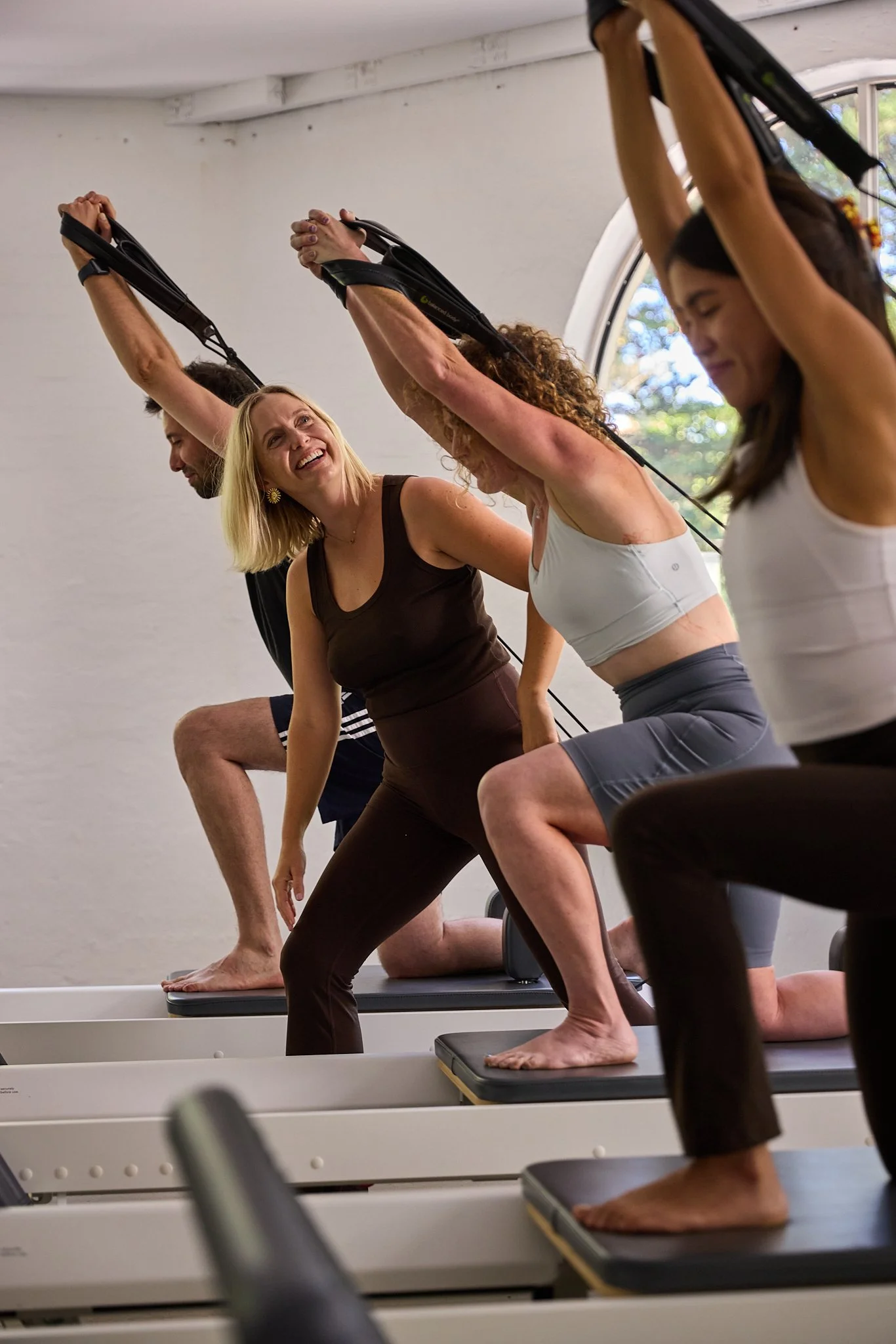
Then we’ve had the absolute joy of watching many of those same students step onto the floor at East River Pilates as professional instructors, pumping their playlists, filling rooms and teaching the Mat and Reformer classes our community now knows and loves. Some of those teachers and classes have become pretty famous around here.
There’s something incredibly special about watching someone go from “Could I actually become a Pilates teacher?” to having clients setting alarms to book their class every week. That full-circle experience is one of the reasons we care so much about what happens at the beginning of your education. Those foundations really do follow you onto the studio floor.
Your Qualifications Matter When You’re Looking for Work
If you’re investing your time, energy and money into becoming a Pilates teacher, you deserve to understand what an established studio may actually be looking for on the other side. At East River Pilates, Mat + Reformer is our baseline, not our finish line.
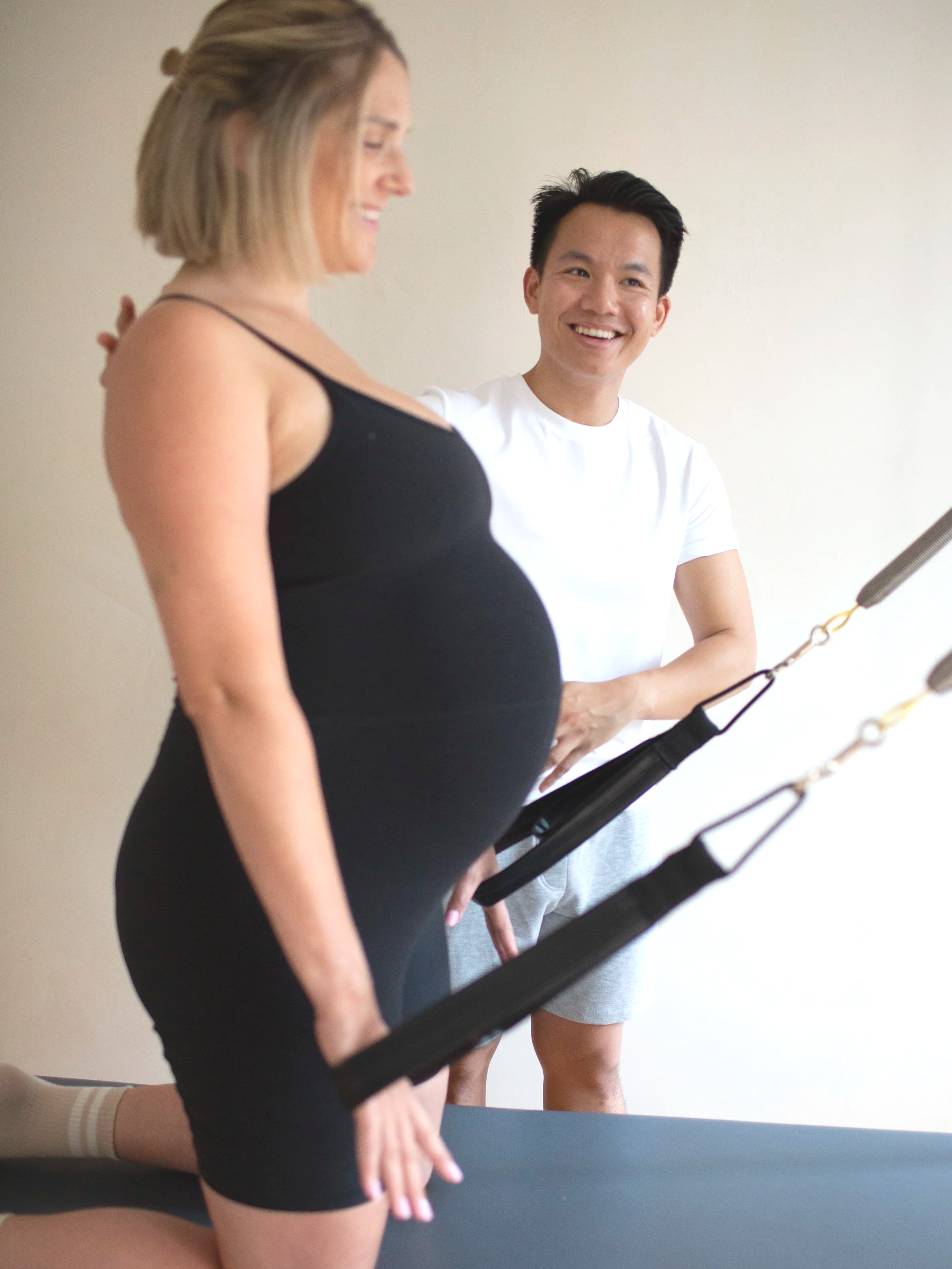
Our teachers need to be certified in both Mat and Reformer. We also require Prenatal & Postnatal certification or a commitment to complete it within their first three months of employment. Ultimately, we want every Pilates teacher on our team to be comprehensively trained, so anyone who isn’t already comprehensively certified when they join us is required to complete that education within their first year.
We do this because after more than a decade of operating Pilates studios, we’ve seen how much breadth of education matters. A well-trained, well-seasoned teacher understands Mat, anatomy and biomechanics, can confidently teach Reformer and prenatal and postnatal clients, and eventually develops proficiency across the wider Pilates apparatus, including Cadillac, Chair and Barrels. All of those layers give you more tools and a deeper understanding of the method.
That education can continue to matter as your career progresses. At ERP, we have Certified and Senior Teacher roles. Our Senior Teachers have been with ERP for at least two years, have five or more years of teaching experience and hold advanced qualifications, including comprehensive and Prenatal & Postnatal certification, making them eligible for higher rates of pay. Education isn’t simply something you do to land your first teaching job. It can become part of how you build your career.
If You Already Want Mat + Reformer, Trust That Instinct
Maybe nobody needs to convince you that Mat matters. You already love both, can picture yourself teaching both and might even be halfway through Mat training while eyeing the next Reformer cohort. Then the sensible part of your brain pipes up: Should I really take on another certification when I haven’t even finished this one?

This is where we encourage you to separate deciding where you want to go from having to get there immediately. If you know you want to teach Mat and Reformer, wonderful. Plan for both, but remember that planning for both doesn’t mean doing both at once.
For many students, intentionally staggering Mat and Reformer by three to six months makes a lot of sense. It gives you time to move through the final phase of Mat, complete your independent practice and assessments, develop confidence as a teacher and then move into Reformer without feeling like your entire life has suddenly become Pilates homework.
Your career goal can be ambitious while your timeline stays realistic.
There’s another advantage to this approach: by the time Reformer arrives, you’ve already learned how teacher training fits into your life. Maybe Sunday night becomes the time you plan your study hours. Maybe you find two reliable practice windows around work. Maybe you realize you’re much better at doing 45 minutes regularly than declaring Saturday your “BIG STUDY DAY” and somehow finding yourself reorganizing the kitchen cupboards instead.
Whatever works, take those habits with you. You don’t need a clear calendar; you need a realistic one. We talk much more about this in Do I Have to Put My Life on Hold to Become a Pilates Instructor?, including practical strategies for balancing teacher training with work, family, and everyday life.
Instead of asking, “Can I possibly handle Mat and Reformer?”, try asking: “If this is where I want my career to go, how can I map out the next six or twelve months to get there?”
More Education Gives You More Options
You don’t actually know yet what kind of Pilates teacher you’re going to become, and that’s part of the fun. Maybe you’ll teach packed Reformer classes and love the energy of it. Maybe you’ll discover that your favorite hour of the week is teaching Mat, fall in love with private clients or prenatal movement, become an educator, manage a studio, or eventually open a space of your own. Or maybe you’ll find yourself teaching Hot Mat Pilates, which is popping up in more and more studios right now. Trends and opportunities will continue to evolve, but having strong foundations gives you the freedom to decide which ones are right for you.

The broader your education, the more doors you leave open for Future You. In the shorter term, being qualified across Mat and Reformer can also allow you to work across Mat studios, Reformer studios and spaces offering both, giving you more opportunities to build teaching hours, create a schedule that works around your life and potentially start earning back your investment in teacher training sooner.
That doesn’t mean collecting as many certificates as possible for the sake of it. The goal is to become a really, really good teacher.
So, Where Should You Start?
If Reformer is what brought you here, wonderful. Let it be what brought you here. It just doesn’t have to be the only place you go. Start with Mat and build your foundations in anatomy, biomechanics, cueing, programming and movement, then take that knowledge with you into Reformer.
And remember, you don’t need to do everything at once. Whether Reformer follows Mat by three months, six months or whatever timeline realistically works for your life, the goal isn’t to race through your education. It’s to build the knowledge, confidence and versatility that will support you wherever your teaching career takes you.
Mat is where you start building that teacher. Reformer gives that teacher more possibilities. And comprehensive education gives you room to keep growing for years to come.
Inspired to start teaching with confidence?
If you’re ready to start mapping out what your own teaching career could look like, book a complimentary Connection Call with our team. We’ll talk through your goals, your schedule and where you’d ultimately like your Pilates career to take you, then help you find a training pathway that makes sense for you.
Your Dream Career Starts Here.