

How Pilates Supports Pain Management

The Science, Evidence and Application
By Talia Williams
Pain—whether chronic or acute—can feel like an unwelcome houseguest that overstays its welcome. It disrupts daily life, affects mood, and often leaves people feeling stuck in a cycle of discomfort. While the modern understanding of pain has evolved dramatically, one thing remains constant: movement is medicine. Enter Pilates, a low-impact, highly adaptable approach to movement that has shown immense promise in the realm of pain management. Let’s dive into the science, stories, and strategies behind how Pilates can help.
Understanding Pain: A Quick Science Lesson
Before we jump into the magic of Pilates, it’s essential to understand how pain works. Pain isn’t just a signal from an injured body part; it’s an alarm system that can sometimes get stuck in the "on" position. Here are the basics:
Acute Pain: This is your body’s way of saying, “Something needs attention!” It’s temporary and usually linked to injury or illness.
Chronic Pain: This persists for three months or more, often long after the initial cause has resolved. It’s more about the nervous system being hypersensitive than ongoing tissue damage.
Pain isn’t just physical; it’s also influenced by psychological and social factors. This is known as the biopsychosocial model of pain, and it’s why a comprehensive approach—like Pilates—is so effective.
The Evidence: Pilates and Pain Relief
Research supports Pilates as a powerful tool for managing pain. Here’s what the science says:
Low Back Pain: Numerous studies highlight Pilates as one of the most effective non-pharmacological treatments for chronic low back pain. It improves core strength, posture, and mobility while reducing pain intensity.
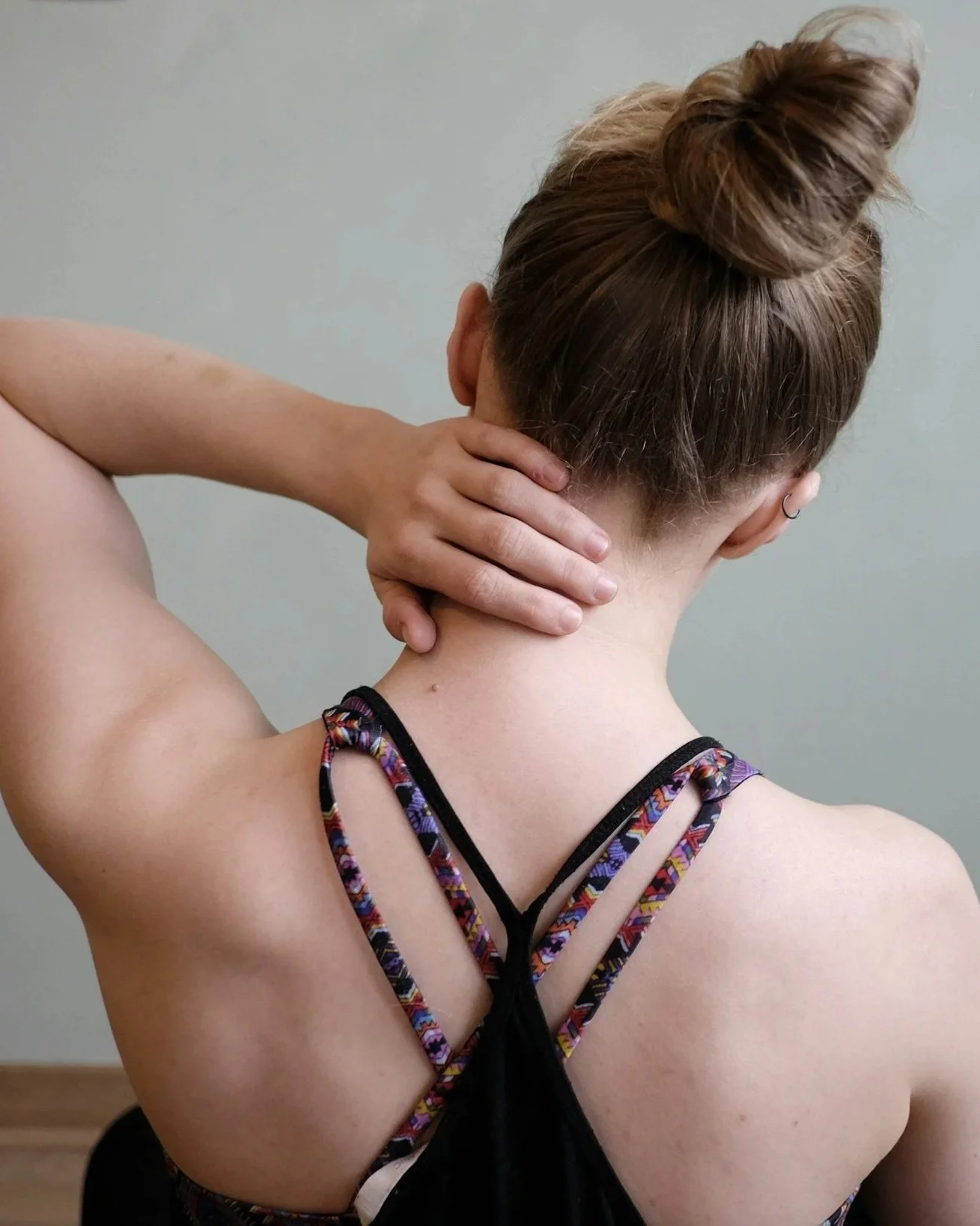
Chronic Neck Pain: Research shows that Pilates-based exercises can improve neck alignment and reduce pain severity, thanks to its focus on controlled movement and stabilization.
Fibromyalgia: For individuals with fibromyalgia, Pilates can help improve flexibility, reduce fatigue, and decrease the perception of pain.
Osteoarthritis: Pilates’ low-impact nature makes it ideal for individuals with joint pain, helping to improve function and reduce stiffness without overloading joints.
Why Pilates Works for Pain Management
Pilates is a holistic approach to pain management that focuses on several key aspects:
Core Stability: A strong core supports the spine and reduces strain on other structures, alleviating discomfort.
Alignment and Posture: Pilates helps identify and correct postural imbalances, which are often culprits in chronic pain.
Mind-Body Connection: Focusing on breath and movement can downregulate the nervous system, reducing the perception of pain.
Gradual Progression: Pilates emphasizes controlled, low-impact movements, making it accessible even for those in significant discomfort.
Relatable Examples: Pilates in Action
Think of your body like a car. If your wheels are misaligned, the car won’t drive smoothly, and over time, parts will wear unevenly. Pilates is like taking your body in for a realignment, ensuring everything runs efficiently and without unnecessary strain.
Take Lisa, a 45-year-old office worker with chronic low back pain. She started Pilates after years of trying everything from physical therapy to painkillers. By focusing on exercises like Pelvic Curl and Spine Stretch Forward, Lisa learned to engage her deep core muscles and improve her spinal mobility. Within weeks, her pain levels decreased, and she felt more in control of her body.
Or consider James, a retired athlete dealing with knee osteoarthritis. His Pilates sessions included low-impact leg work on the Reformer, which strengthened the surrounding muscles without aggravating his joints. Over time, James reported not only less pain but also improved confidence in his ability to move freely.

Tips for Integrating Pilates into Pain Management
Start Small: Pain can make people hesitant to move. Begin with gentle, low-impact exercises that build confidence and reduce fear of movement (also known as kinesiophobia).
Focus on Breath: Breathing techniques in Pilates help calm the nervous system and increase oxygen flow to muscles, reducing tension.
Customize for the Individual: No two bodies are the same. Tailor exercises to meet each client’s specific needs and limitations.
Educate on Pain Science: Help clients understand that movement is safe and beneficial, even if it’s initially uncomfortable.
Combine with Other Therapies: Pilates works beautifully alongside other modalities like physical therapy, massage, or mindfulness practices.
When to Seek Help
While Pilates is a fantastic tool, it’s important to know when to consult a healthcare professional. If pain is severe, worsening, or accompanied by other symptoms like numbness or fever, encourage clients to seek medical advice.
Ready to Make a Difference?
At Spring Movement, we’re passionate about empowering Pilates instructors with the tools and knowledge to make meaningful changes in their clients’ lives. Whether you’re working with someone in chronic pain or looking to expand your own expertise, understanding the science behind pain and movement is key.
Pain may be a stubborn houseguest, but with the right approach, you can show it the door. And Pilates? It’s the roadmap to recovery, resilience, and relief.
Inspired to start teaching with confidence?
SPRING’s Pilates Teacher Training is hosted across our global partner studios and online.
Begin with our Mat Certification to build confidence and a strong foundation for teaching.
[Explore SPRING Movement’s Mat Pilates Teacher Training Certification →]
Your Dream Career Starts Here.