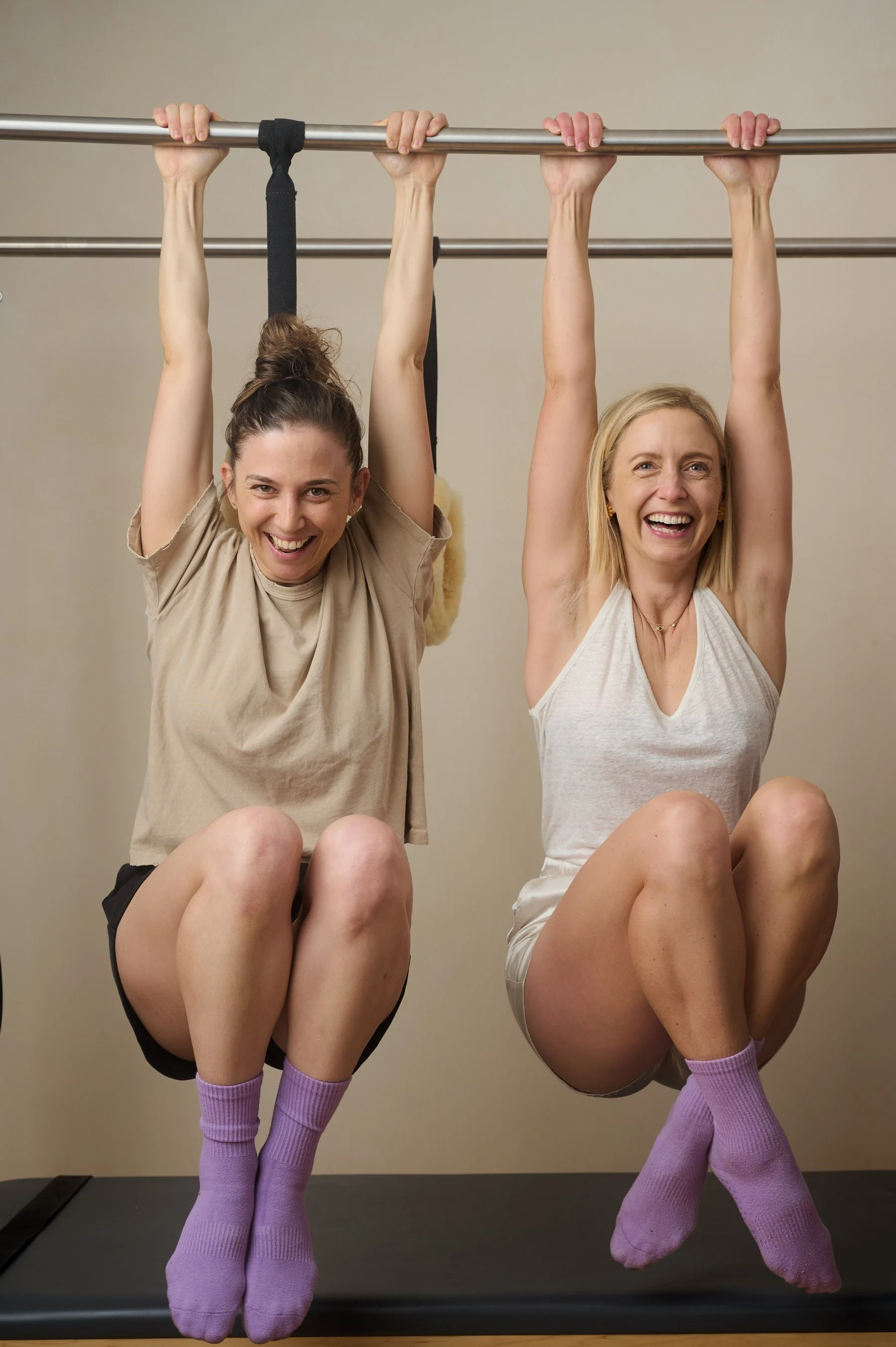
Your first Pilates job probably won’t tell you exactly where your career is going, but it might introduce you to a part of yourself you haven’t met yet.
By Kimmy Smith
One of the really exciting things about finishing Pilates teacher training is discovering just how many directions you can go. You can teach a couple of classes alongside a career you already love, work in a tiny neighborhood studio where everyone knows everyone, work privately with clients, become an educator, manage a studio, open your own one day, or end up somewhere you genuinely cannot imagine yet.
That last one has certainly been true for me. When I started teaching Pilates, I did not have some beautifully mapped-out career plan that would eventually lead to founding East River Pilates and co-founding SPRING Movement. There were lots of little jobs, classes, opportunities and changes of direction along the way, and also plenty of rejection. I have auditioned so many times, and I have failed auditions so many times. I've walked into studios really wanting the job and walked back out without it, gotten nervous, overprepared, and replayed everything afterward thinking about what I should have done differently.
I haven't always walked into my dream studio and gotten my dream job. Not even close. But I got better at auditioning because, just like teaching, auditioning itself is a practice. Your first job doesn't have to be perfect, your first audition definitely doesn't have to be perfect, and you don't need to know exactly where you're going. You just need somewhere to start.
Most Teaching Careers Start Pretty Humbly
Your first Pilates job probably isn't going to arrive with a full schedule and your name suddenly appearing on twelve classes a week, and honestly, that's a good thing. It might start with getting added to a studio's cover list, then somebody goes away for the weekend, you say yes to their Saturday morning class, spend approximately four times longer planning it than it takes to actually teach it, and before you know it, there you are, teaching your first professional class.
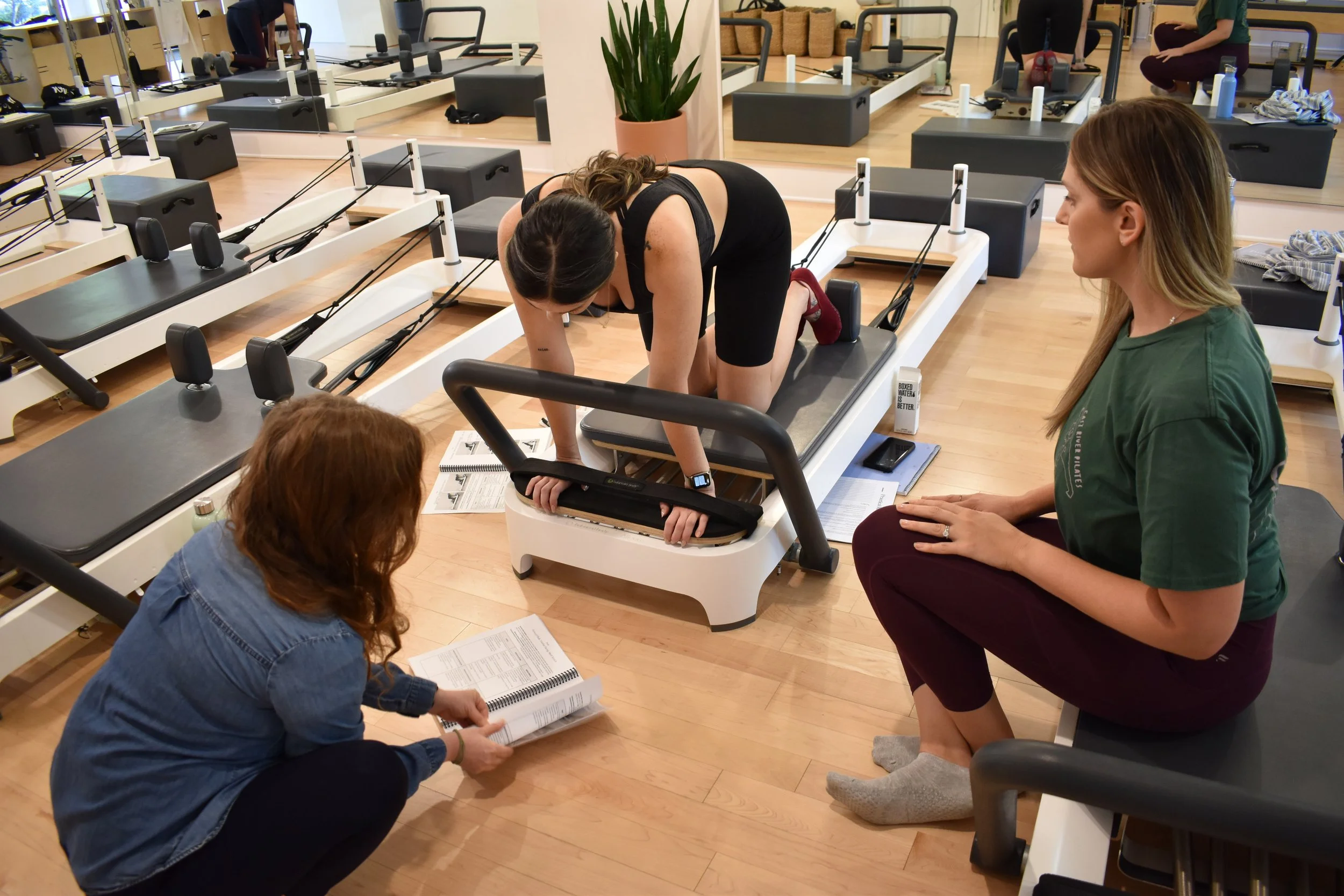
Then maybe you cover again, pick up one regular class, meet clients who start coming back specifically for you, or get introduced to another studio that needs someone. From the connections you make during teacher training to the opportunities that come your way once you start teaching your first few public classes, Pilates careers can grow surprisingly organically, not through one enormous break where everything falls into place, but through a collection of small opportunities that slowly start adding up.
Auditioning Is a Skill, So Practice It
If I could go back and give my younger teacher-self one piece of advice, it might actually be this: if you can, don't make your absolute dream studio your first-ever audition.
I don't mean applying somewhere you have absolutely no intention of working simply to use their time as practice. But if there are several studios where you could genuinely imagine yourself teaching, there is something to be said for getting one or two auditions under your belt before putting all of the emotional weight on the one you desperately want.
Your first audition teaches you things that practicing alone simply can't. You learn what happens to your brain when you're nervous, how much material you actually need, how quickly you start speaking when people are watching you, and what it feels like to receive feedback and immediately try something again. By the second or fifth audition, you start walking into the room knowing, Okay, I've done this before. You may still be nervous, but you're no longer nervous about being nervous.
People First, Pilates Second
After all these years of teaching, hiring teachers and running studios, if I had to reduce my personal teaching philosophy to four words, it would probably be: People first. Pilates second.
That doesn't mean the quality of your Pilates teaching is any less important. You need an excellent education and a strong understanding of anatomy, biomechanics, repertoire, programming and modifications, and those foundations are something we take incredibly seriously at SPRING. But all of that knowledge exists so you can use it to help the actual human being standing in front of you.
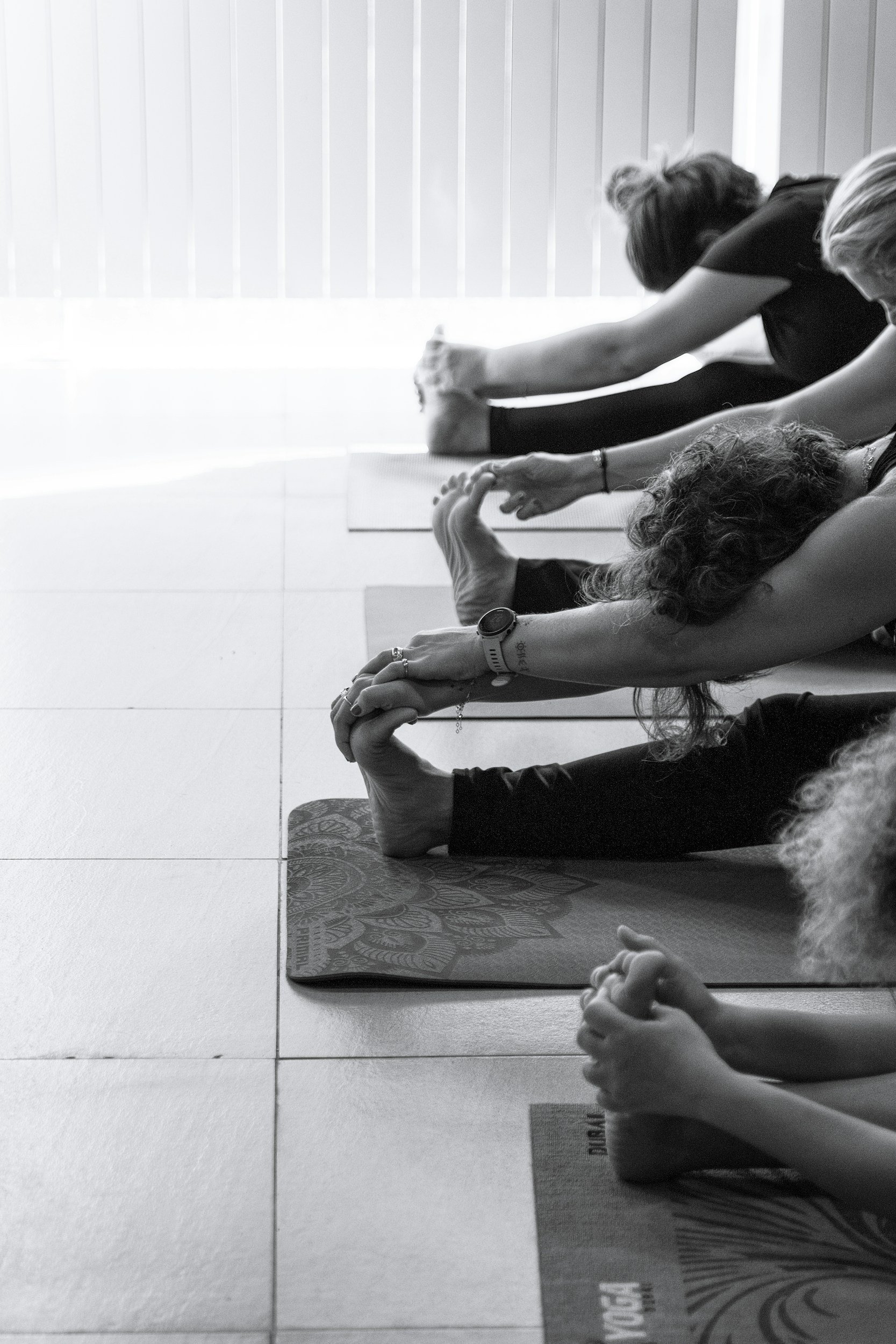
Your clients have had entire lives happening before they arrive in your class. Maybe they rushed there from work, maybe they're exhausted, maybe they're nervous because it's their first-ever Pilates class, or maybe this is simply the one hour they've been looking forward to all day. You won't necessarily know what's going on in their lives, but you can remember that they're bringing those lives into the room with them.
Learn people's names. Look at them when they walk into the room. Listen to them. Notice them. Laugh when something is funny and let your personality come into the room, because one of the biggest things I've learned from watching clients choose their favorite teachers over the years is that people might think they're coming to you for Pilates, but quite often they're coming for you just as much as they're coming for the workout.
They're coming because they trust you, because you remember them, because they love your music or your terrible jokes or your calmness or your energy, or simply because they feel good being in your room. None of that requires more complicated choreography.
What Are Studios Actually Looking for in an Audition?
I've now experienced auditions from both sides of the room, and when I'm watching one, I genuinely want that teacher to do well. I'm not waiting for a mistake, and I'm definitely not expecting a new graduate to walk in with the confidence of somebody who has been teaching for ten years.
I'm much more interested in whether you can explain something clearly, look up from your carefully rehearsed sequence and see what's actually happening in the room, notice when someone doesn't understand, adapt when necessary, and receive feedback without letting one correction completely derail you.
And then there is something harder to put on an audition scorecard: Can I get a sense of you?
You don't need a special “Pilates teacher voice,” and you don't need to become louder, cooler or more extroverted than you actually are. Some brilliant teachers have enormous personalities, while others are gentle, calm and incredibly precise. There is room for all of them. The more comfortable you become with your Pilates knowledge, the more space you'll have to relax into your teaching and allow your own personality to come through.
Your First Studio Doesn't Have to Be Your Forever Studio
When you're brand-new, being offered a class can feel so exciting that your immediate response to almost anything is YES. Monday at 5:00am? Yes! Friday at 7:00pm? Absolutely! A 45-minute commute each way for one class? Somehow that sounds reasonable too.
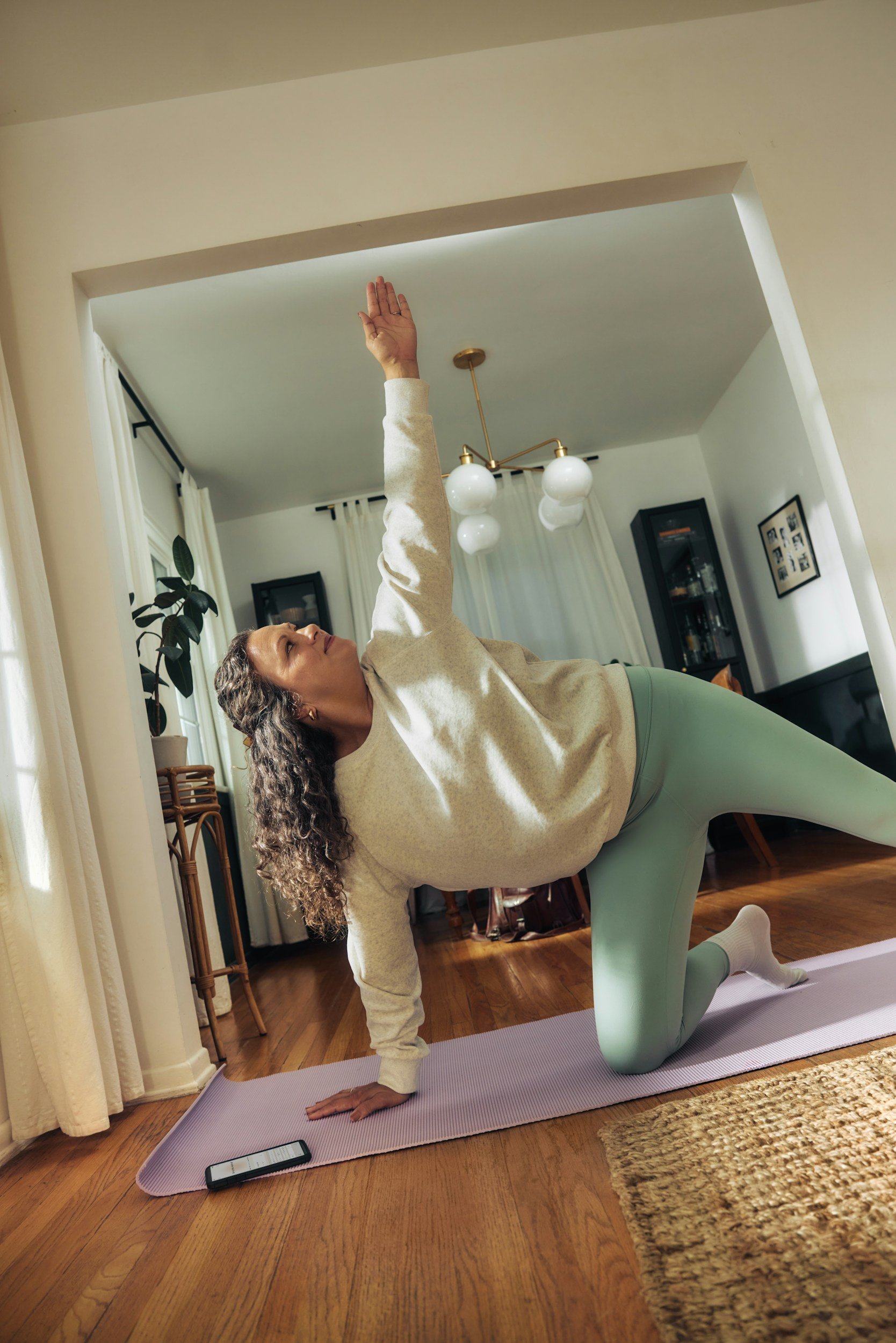
There is something lovely about that stage, and saying yes is often exactly how we gain experience. But your first few jobs are also helping you figure out what kind of working life you want. Maybe you love the energy of a busy group studio, prefer working privately with clients, adore teaching beginners, or discover that you absolutely, categorically do not want to teach at 6:00am. All incredibly useful information.
If you can, take classes at studios you're interested in and pay attention to how they feel. Notice how clients are treated, whether teachers seem supported, whether there is room for feedback and continued learning, and whether the schedule actually works with your life. An audition isn't only an opportunity for a studio to decide whether you're right for them. You're also figuring out whether they're right for you.
Sometimes the Answer Will Be No
You are probably not going to get every teaching job you apply for. I didn't, most teachers I know didn't, and I think we do new teachers a disservice when we don't talk about this because rejection can feel incredibly personal when you are the person standing at the front of the room being evaluated.
After years of making hiring decisions myself, I now understand how many different reasons there can be for a no. Maybe the studio needs Tuesday mornings and you only have evenings available, maybe another candidate has more experience, maybe they're balancing the strengths already represented on their team, or maybe your audition simply wasn't your best that day.
Ask for feedback if it's available, take the useful parts, practice and go again. I can look back now at jobs I desperately wanted and didn't get and see that none of those individual decisions determined where I eventually ended up, even though at the time they felt enormous.
Start Somewhere
Something really interesting happens once you start teaching professionally: all of the things you learned during teacher training begin to make sense in completely new ways. You meet a client and think, Ohhhhh. THAT'S what they meant. You need a repertoire refresh before a cover or audition, or you encounter something that sends you straight back to your anatomy notes with a completely different question.
This is one of the reasons SPRING students continue to have access to their coursework and video libraries for two years. Use them. Go back before auditions, refresh your repertoire and revisit lectures once you have some real-world teaching experience to connect them to. Keep using the Learning Hub forums too, because the people you trained alongside are also becoming your professional network. Your certification is an enormous achievement, but it isn't supposed to be the moment when you suddenly know everything. It's the foundation that allows you to keep learning.
Then take the audition. Take another one. Get rejected sometimes. Ask for feedback. Take the cover class. Figure out which studios feel like home and slowly discover what kind of teacher you are becoming.
And through all of it, remember the thing I think matters most: People first. Pilates second.
Years from now, your clients probably won't remember the brilliant transition you programmed between two exercises, but they'll remember that they loved coming to your class. They'll remember that you knew their name and made them feel welcome, capable, stronger, calmer or simply a little bit better than they felt when they walked through the door.
They'll keep coming back for the Pilates, of course.
But they'll also keep coming back for you.
Inspired to start teaching with confidence?
If you're starting to imagine what your own Pilates teaching career could look like, book a complimentary Connection Call with our team. Whether you're just beginning to explore teacher training or already dreaming about where a Pilates certification could take you, we'd love to help you find a pathway that feels right for you.
[Explore SPRING Movement’s Mat Pilates Teacher Training Certification →]
Your Dream Career Starts Here.