


Building Inclusive Spaces
Diversity, Equity & Inclusion for Movement Professionals
Create Movement Spaces Where Every Body Feels Welcome.
Develop the knowledge, awareness, and practical teaching skills to create more inclusive, accessible, and welcoming movement experiences, with meaningful education designed for real teachers, real studios, and real communities.
100% Online · Self-Paced · 9 Hours · Start Anytime
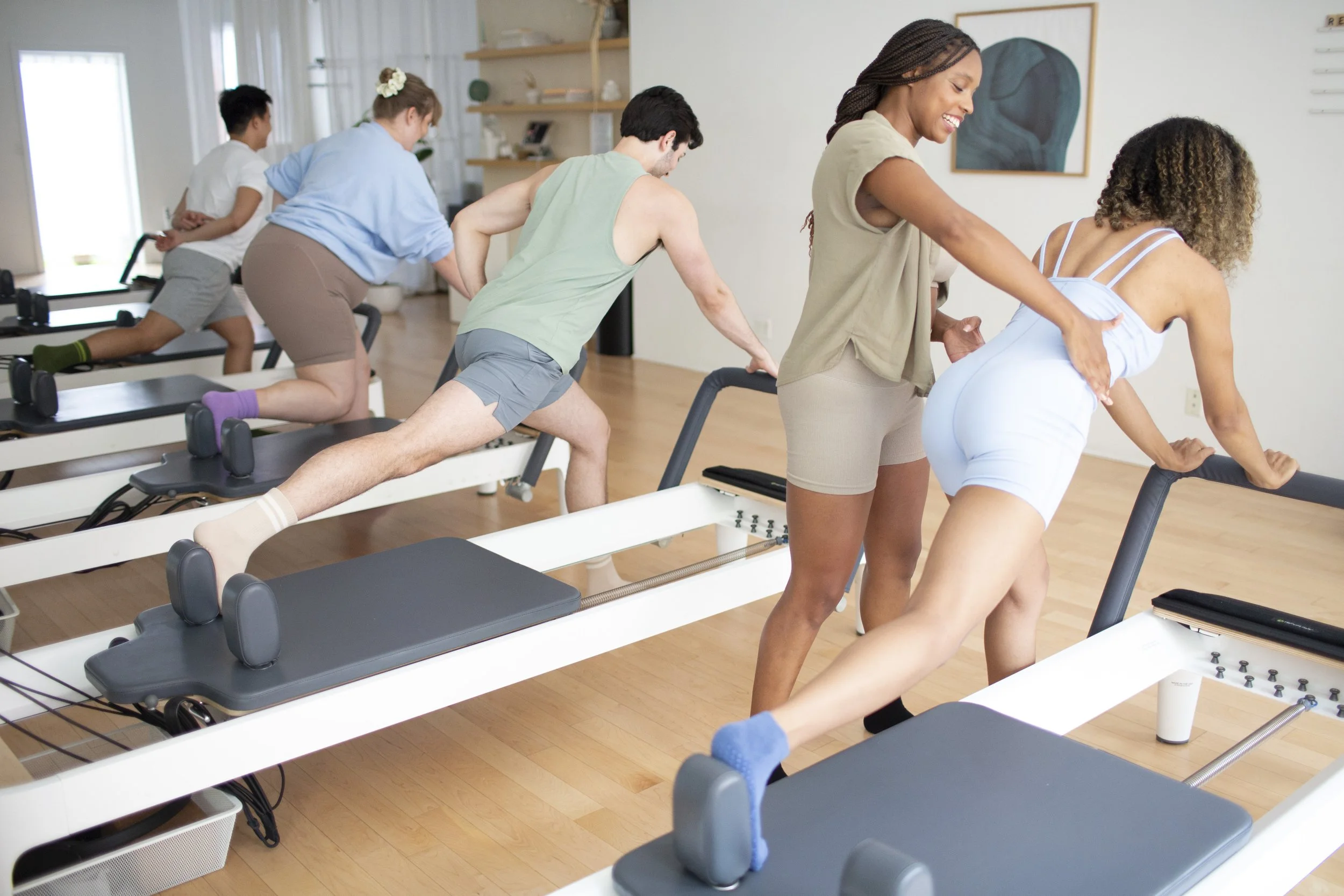
Movement Is for Every Body. Let's Make Sure Our Spaces Reflect That.
As movement professionals, we have an incredible opportunity to influence how people experience movement, connect with their bodies, and feel within a community.
But creating a genuinely inclusive space goes beyond having good intentions. It requires us to reflect on our own assumptions, understand the barriers that may prevent people from accessing movement, and consider how our language, teaching choices, and everyday interactions shape someone else's experience.
SPRING’s Building Inclusive Spaces course gives you the knowledge and practical tools to approach this work with greater awareness, empathy, and confidence.
Guided by DEI educator and fitness expert Portia Boston, you'll explore weight stigma, cultural awareness, inclusive language and cueing, adaptive teaching practices, and the ways unconscious bias can influence our movement spaces.
Most importantly, you'll learn how to translate that awareness into meaningful, everyday teaching practices that help more people feel comfortable, respected, and connected to movement.
You don't need to have all the answers. You simply need to be open to learning, reflecting, and continuing to grow.
Why Make Inclusive Education Part of Your Teaching Toolkit?
Teach With Greater Awareness and Confidence
Develop a deeper understanding of how your language, assumptions, and teaching choices can influence the experience of the people in front of you, and learn practical ways to approach those moments with greater thoughtfulness.
Connect With More People
Build the skills to support clients across a wider range of backgrounds, identities, abilities, body sizes, and lived experiences, without making assumptions about what movement should look or feel like for someone else.
Create a Stronger Sense of Belonging
Explore how intentional communication, respectful interactions, and adaptable teaching practices can help foster trust, connection, and a genuine sense of community within your movement spaces.
Learn Now. Use It Straight Away.
The course is completely online and self-paced, so you can begin today and start bringing what you learn into your classes, client relationships, and wider professional practice.
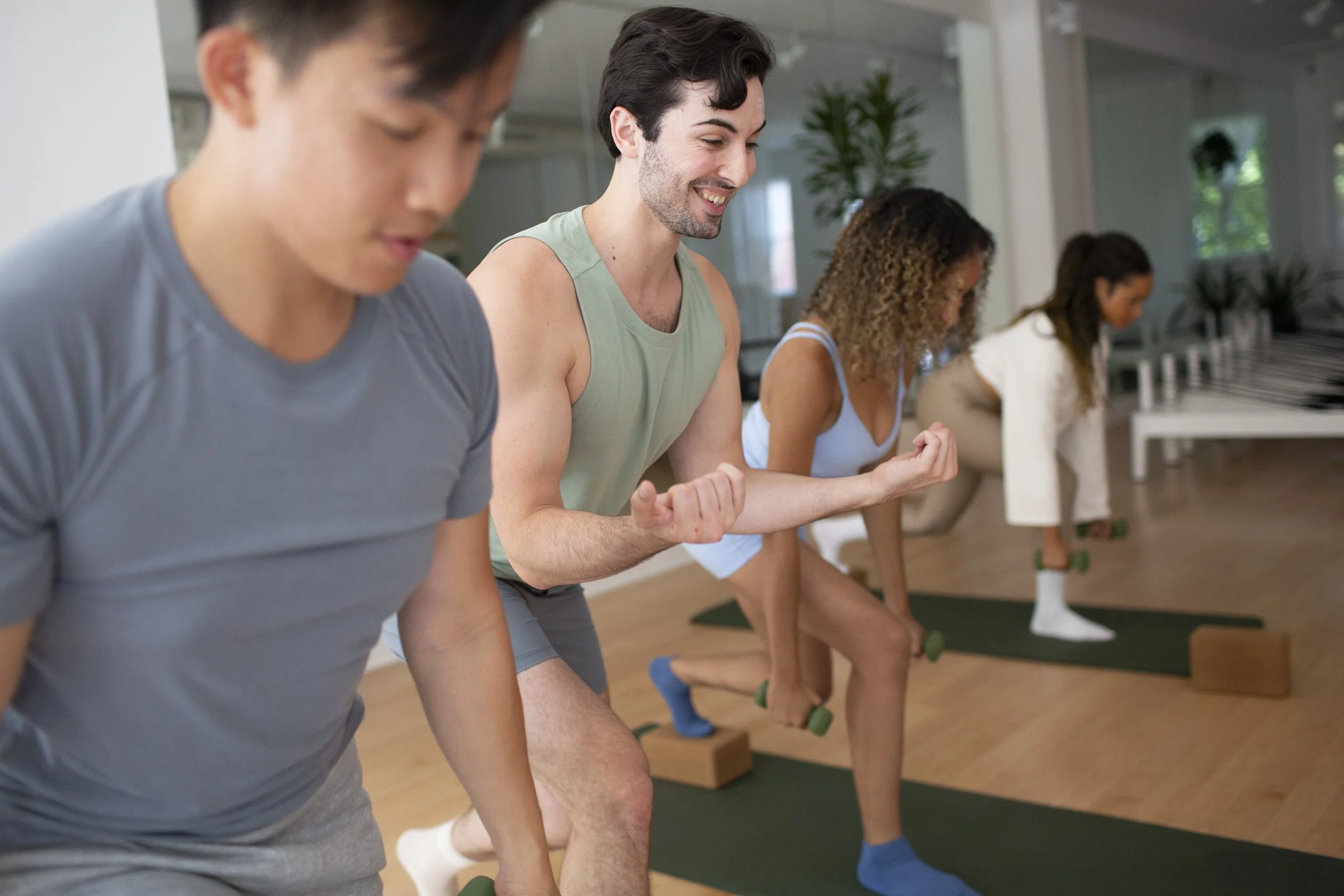
Who This Program Is For
SPRING’s Building Inclusive Spaces course is designed for movement professionals who want to become more thoughtful, adaptable, and inclusive in the way they teach, communicate, and build community.
It's particularly valuable if you:
✺ Teach Pilates, yoga, dance, personal training, group fitness, or another movement modality
✺ Want to better understand the experiences and barriers that different people may encounter in movement spaces
✺ Want to develop more inclusive language, cueing, and communication practices
✺ Work with people across a range of body sizes, abilities, cultural backgrounds, identities, and lived experiences
✺ Own, manage, or lead a movement studio and want to foster a more welcoming and inclusive community
✺ Are beginning your teaching career or looking to continue growing as an established movement professional
No previous education in diversity, equity, and inclusion is required. Wherever you are in your learning journey, there's a place for you here.
Built for the Realities of Teaching
-
✺
100% Online, Self-Paced Learning
Work through 26 engaging modules completely on your schedule, with video presentations, reflective exercises, interactive activities, and opportunities to apply your learning.
-
✺
Expert-Led Education
Learn from DEI educator and fitness expert Portia Boston, whose approach brings together research, lived experience, and a practical understanding of the movement industry.
-
✺
Inclusive Language & Communication
Explore how the words we use, the cues we offer, and the way we interact with clients can influence their relationship with movement, their bodies, and the spaces we create.
-
✺
Cultural & Body Awareness
Develop a deeper understanding of weight stigma, body hierarchies, cultural appropriation, and the systemic barriers that can shape people's experiences within the movement industry.
-
✺
Practical, Adaptable Teaching Strategies
Explore real-world scenarios, adaptive teaching approaches, and thoughtful considerations for hands-on adjustments that you can bring directly into your everyday teaching practice.
-
✺
Tools for Continued Growth
Develop your own personal action plan and explore resources that support ongoing reflection, learning, and meaningful change throughout your teaching career.
Everything You Need to Know Before You Start
-
Throughout this course, you'll explore the relationship between diversity, equity, inclusion, and the everyday realities of teaching movement.
Cultural and physical adaptive awareness
Weight stigma, fatphobia, and body hierarchies in movement spaces
Inclusive language, communication, and cueing
Cultural appreciation and appropriation within the fitness industry
Teaching and adapting movement for diverse populations
Thoughtful approaches to hands-on adjustments
Identifying personal assumptions and unconscious bias
Developing a personal action plan for more inclusive teaching
Each topic encourages you to connect what you're learning with your own experiences, teaching practices, and professional environment.
-
This course is open to aspiring and established movement professionals, including Pilates teachers, yoga instructors, personal trainers, dancers, group fitness instructors, studio owners, and movement industry leaders.
No previous diversity, equity, and inclusion education or specialization is required.
-
9 hours of online, self-paced professional development, delivered across 26 modules.
Work through the course at your own pace, with the flexibility to fit your learning around your existing teaching schedule, work, and personal commitments.
-
26 online learning modules
Expert-led educational presentations
Readings and additional learning materials
Interactive learning activities and knowledge checks
Reflective journaling exercises
Scenario-based learning and practical applications
Personal self-assessment and action planning
Resources for ongoing learning
Certificate of Completion upon successful course completion
-
$149 USD
One payment for the complete Building Inclusive Spaces professional development course.
-
Enroll online and begin learning at your convenience.
Work through the online modules at your own pace, exploring each topic through presentations, activities, and personal reflection.
Apply your learning through practical scenarios, knowledge checks, and the development of your personal action plan.
Successfully complete the course and its final assessment to earn your Certificate of Completion.
Continue bringing your learning into your teaching practice and the communities you serve.
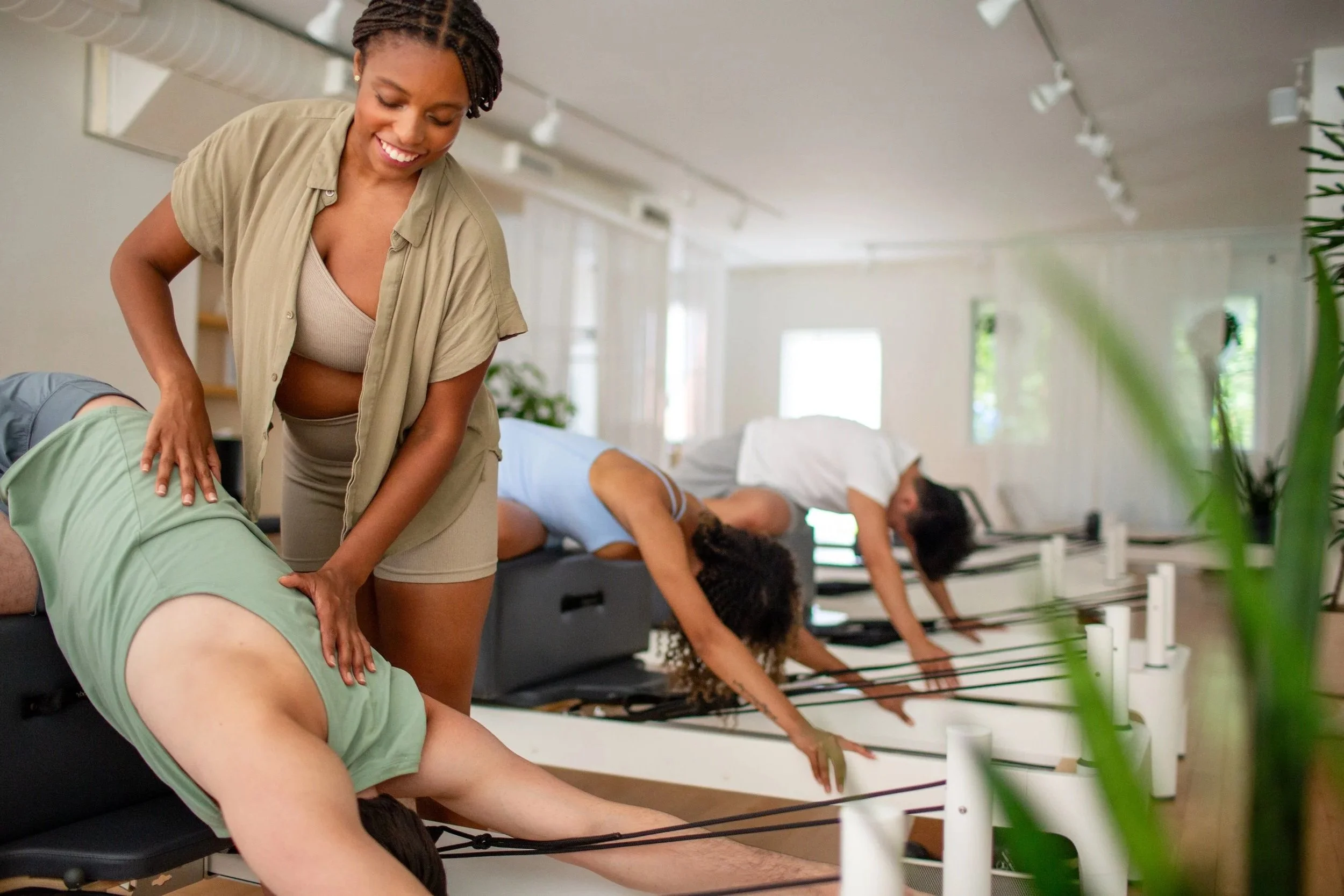
Start Building More Inclusive Spaces
100% Online · Self-Paced · 9 Hours · Start Anytime
Tuition: $149 USD
Being an inclusive movement professional isn't about knowing all the right things to say or getting everything right every time. It's about being willing to listen, reflect, challenge our own assumptions, and make thoughtful choices that positively influence the experiences of the people we teach.
SPRING’s Building Inclusive Spaces course gives you a meaningful foundation to continue growing as a movement professional and creating spaces where more people feel genuinely welcome.
Because everyone deserves the opportunity to experience the joy of movement, to feel connected to their body, and to feel a sense of belonging within a community.
Building Inclusive Spaces
Frequently Asked Questions
Is This Course Right for Me?
-
This course is designed for anyone working within the movement industry who wants to develop more inclusive teaching, communication, and professional practices. This includes Pilates teachers, yoga instructors, personal trainers, dancers, group fitness instructors, studio owners, and industry leaders.
-
Not at all. While SPRING specializes in Pilates education, the principles and practical tools explored throughout this course are relevant across movement modalities and professional environments.
-
Not at all. The course is designed to support you wherever you are in your learning journey, whether you're exploring these topics for the first time or building on existing knowledge.
-
Absolutely. The course explores principles that extend beyond individual teaching practices and can help inform the culture, communication, and everyday experiences within your studio or movement business.
-
The course provides knowledge, practical tools, and opportunities for reflection to support your growth as a movement professional. Inclusive teaching is an ongoing practice, and this course is designed to help you continue that work with greater awareness, confidence, and intentionality.
How Does the Course Work?
-
Yes. Upon successful completion of the course, you'll receive SPRING's Building Inclusive Spaces Certificate of Completion.
-
Yes. The course incorporates learning activities, knowledge checks, and a final knowledge assessment, alongside opportunities for personal reflection and practical application.
-
The course focuses on online learning, practical application exercises, personal reflection, and knowledge assessments rather than a live practical teaching examination.
-
Building Inclusive Spaces is a professional development course designed to complement your existing education and professional practice. It is not a standalone movement teaching qualification, but rather an opportunity to strengthen the awareness, knowledge, and practical skills you bring to your existing role.
-
Developing more inclusive teaching practices can help you connect with a wider range of clients, build stronger professional relationships, and contribute to more welcoming movement environments. Whether you're teaching group classes, working with private clients, managing a studio, or building your own movement business, the knowledge and tools you develop throughout this course can support you across many areas of your career.
-
Throughout the course, you'll explore resources for ongoing learning and develop a personal action plan to help you continue reflecting on and evolving your professional practice.
Creating inclusive spaces isn't about reaching a point where you have all the answers. It's about remaining curious, open to feedback, and committed to continuing to learn and grow throughout your career.
What Will I Learn?
-
You'll explore body awareness, weight stigma, cultural awareness, inclusive language and communication, cultural appropriation, working with diverse populations, hands-on adjustments, self-reflection, and practical strategies for developing more inclusive teaching practices.
-
Yes! Throughout the course, you'll be encouraged to connect your learning with everyday teaching scenarios, from the language you use and the movement options you offer to how you approach physical adjustments and interactions with clients.
-
Absolutely. The principles of inclusive communication, adaptable teaching, and respectful interactions are relevant across both individual and group movement environments.
-
Yes. The course explores fatphobia, weight stigma, body hierarchies, and their historical and cultural foundations, encouraging movement professionals to reflect on how these issues can influence their teaching and their clients' experiences.
-
Yes. You'll explore the difference between cultural appreciation and appropriation and consider how movement professionals can approach cultural practices with greater awareness, understanding, and respect.
Assessment & Professional Development
-
The course is delivered entirely online through SPRING's Learning Hub, with 26 modules incorporating educational presentations, readings, interactive activities, reflective exercises, practical scenarios, and knowledge checks.
-
The course includes approximately nine hours of learning. As it's completely self-paced, you can complete it over a few days or spread your learning across several weeks, depending on your schedule and personal commitments.
-
Anytime! You can enroll and begin learning online without waiting for a scheduled cohort or attending live sessions.
-
No. The course is completely online and self-paced, with no scheduled live labs or in-person attendance required.